Auto Window Tinting in Tioga, TX
HITEK Carbon IR, Geoshield C2 Carbon, Signal-Safe
North Texas summers bring intense heat and UV exposure that fade upholstery, crack dashboards, and degrade vehicle interiors without protection. Professional window tinting from Texas Tint My Windows reduces interior heat buildup, blocks harmful UV rays, and adds privacy to your vehicle using proven film technology.
We offer HITEK Carbon IR and Geoshield C2 Carbon films with signal-safe construction, Texas legal compliance, and installation expertise across Tioga and surrounding North Texas communities.
What North Texas Sun Does to Untinted Vehicles
Tioga sits in the North Texas heat corridor where summer temperatures regularly exceed levels that accelerate interior deterioration. Vehicles parked in open lots and rural properties across Cooke County face sustained solar radiation from both windshield and side glass. Highway driving on US-82, US-377, and FM roads through the region accumulates additional UV exposure on every commute to Gainesville or Sherman.Without professional window film, solar radiation enters the cabin unfiltered. Dashboard materials crack under heat stress. Leather seats fade and lose conditioning. Electronic components deteriorate faster in sustained high temperatures.
Heat and UV on Tioga Roads and Rural North Texas Highways
North Texas vehicles face continuous solar load during daily driving. Open highways between Tioga and Gainesville, Tioga and Sherman, and rural Cooke County roads expose vehicles to direct sun for extended periods.Agricultural properties, ranch properties, and rural residential areas across the region lack the shaded parking common in urban environments. Vehicles in these conditions accumulate heat buildup and UV exposure significantly faster than vehicles in shaded settings.
Why Professional Film Protection Matters
Professional window film provides two distinct layers of protection. First, it blocks infrared heat before it enters the cabin, reducing air conditioning strain and interior temperature buildup. Second, it blocks UV radiation, which is the primary driver of fading, cracking, and material degradation in vehicle interiors.Both protections are permanent once installed, unlike aftermarket window shades or reflective film applications that degrade quickly in North Texas heat.Professional installation ensures complete coverage with no edge gaps, bubbles, or adhesive failures that weaken protection over time.
Our Window Film Products
Texas Tint My Windows offers two distinct film tiers for automotive window tinting. Both are signal-safe, meaning GPS navigation, Bluetooth connectivity, and cellular service operate without interference. Both block UV radiation across the full spectrum and provide heat rejection performance appropriate for North Texas driving conditions.
HITEK Carbon IR
HITEK Carbon IR uses carbon nanoparticle technology to deliver strong heat rejection without metal layers that can interfere with electronic signals. The film provides 62% infrared rejection at the darkest shade (5% VLT) across the full infrared spectrum from 780 to 2500 nanometers.This performance level reduces interior heat buildup noticeably compared to standard tinted glass, particularly during peak sun hours when cabin temperatures spike fastest.The 1.5 mil construction is durable and forgiving during installation, supporting clean application across complex window shapes and curves. The film maintains consistent color tone over time without developing the purple shift that lower-grade dyed films exhibit after extended UV exposure.
Geoshield C2 Carbon
Geoshield C2 Carbon is a mid-tier carbon-pigmented film engineered for owners seeking meaningful improvement over dyed film at a practical price point. The carbon-infused construction delivers improved heat rejection, glare reduction, and UV protection compared to traditional dyed films.Like HITEK Carbon IR, it is signal-safe with no metal content that interferes with GPS or cellular reception. The film supports excellent shrinkability for clean installation across windows with complex curves. Rich, neutral tone complements most vehicle aesthetics without the reflective appearance of metallic films.
Choosing Between Film Tiers
HITEK Carbon IR delivers stronger measured heat rejection performance through carbon nanoparticle technology. Geoshield C2 Carbon provides meaningful improvement over dyed film in a practical tier. The choice between them depends on your priority: maximum heat rejection performance or balanced performance and value.Both films are signal-safe, UV-blocking, and appropriate for Texas driving conditions. Both are installed using the same professional process and same curing timeline. The primary difference is heat rejection intensity and material construction. Call Texas Tint My Windows at *phone number* for a recommendation based on your vehicle type, driving patterns, and priorities.
BENEFITS OF WINDOW TINT
STRONG HEAT COMFORT
Carbon: Great day-to-day heat reduction with a clean, neutral look.
Ceramic: Targets infrared heat more aggressively, especially noticeable during peak sun hours.
COLOR-STABLE, CLEAN APPEARANCE
Carbon: Holds a consistent tone and avoids the “purple fade” you see with basic dyed films.
Ceramic: Designed for long-term color stability too, with a crisp, refined finish.
FEATURING WINDOW FILM BRANDS WE CARRY


CARBON IR
High IR Heat Rejection
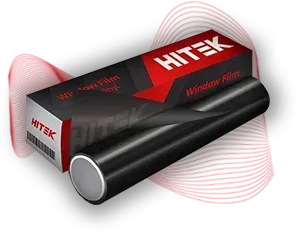
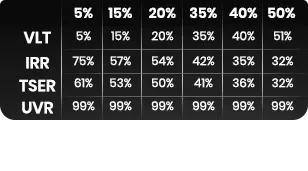
HITEK Carbon window film delivers reliable heat control with a 1.5 mil thickness designed for durability. It provides 62% infrared (IR) rejection at 5% VLT, measured across a broad 780–2500 nm range, helping reduce interior heat without affecting visibility.
Built with carbon nanoparticle technology, this film offers strong heat rejection without metal layers, ensuring no interference with electronic signals. The neutral carbon color remains stable over time, while the responsive adhesive and excellent shrinkability support clean, professional installs.
Key Specs:
Carbon IR film • 1.5 mil • 62% IR rejection @ 5% • Neutral color • Signal-safe

CERAMIC ULTRA
Maximum protection
COMMING SOON
Choosing Your Tint Shade and Understanding VLT
VLT stands for Visible Light Transmission. It measures the percentage of visible light a film allows to pass through after installation. A 5% VLT shade allows only 5% of visible light through the tinted window. A 70% VLT shade allows 70% of visible light through, appearing nearly clear. Higher VLT percentages = lighter tint. Lower VLT percentages = darker tint.VLT percentage does not directly determine heat rejection or UV protection. Films at any VLT percentage block harmful UV radiation effectively. Heat rejection performance varies slightly by film type and VLT, but UV protection is consistent across the spectrum. This means you can select a lighter shade for visibility and still receive full UV protection, or a darker shade for privacy and heat reduction.
What VLT Means for Your Vehicle
VLT determines how much light enters the vehicle after tinting, which affects interior visibility, privacy level, and the vehicle’s appearance from outside. A 5% shade provides maximum privacy and darkest appearance but requires adjustment for night driving due to reduced light transmission. A 70% shade provides a near-clear appearance with minimal privacy benefit but maintains maximum interior light and visibility.Most vehicle owners select shades in the 20% to 50% range based on their priority: darker shades for privacy and heat reduction, lighter shades for visibility and minimal appearance change.
Available Shades and Texas Legal Limits
Texas law requires front side windows to allow more than 25% visible light transmission. This means 5% and 20% shades are legal only on rear side windows and rear glass. The 35%, 40%, 50%, and 70% shades are legal on all window positions including front side windows.Windshields may have a non-reflective shade strip above the AS-1 line (the upper boundary of the driver’s sight line). Every installation at Texas Tint My Windows respects Texas tint law and confirms shade legality for each window position during your consultation before any film is applied.
C2 CARBON
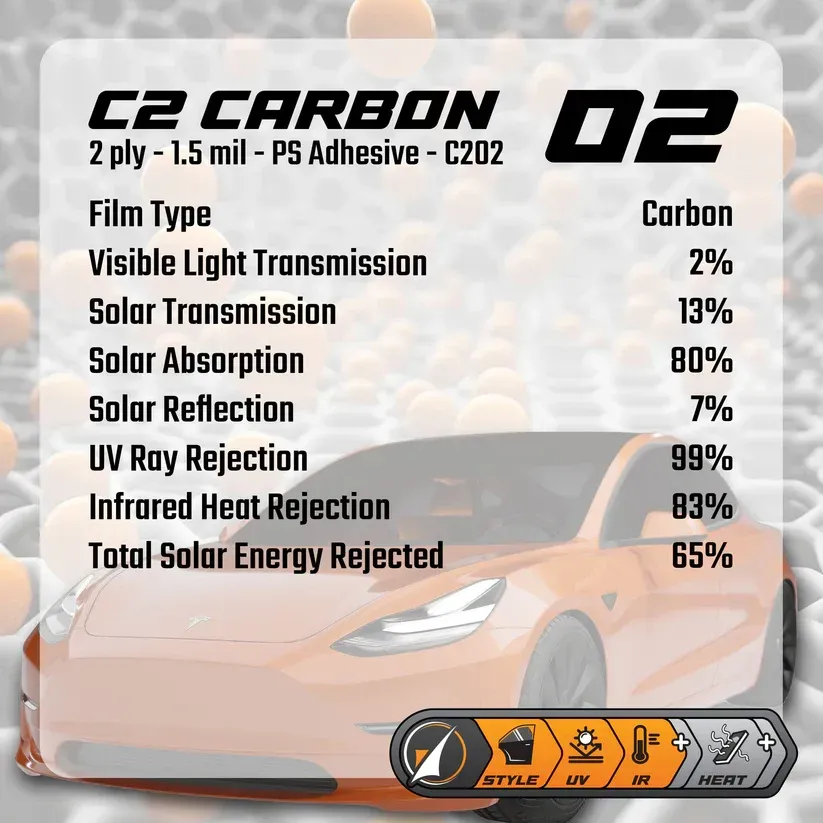
C2 Carbon is Geoshield’s next-level carbon pigmented film—engineered for drivers who want more than just privacy. With deeper solar performance and advanced color stability, C2 offers a noticeable upgrade over traditional dyed films without stepping into premium ceramic territory.
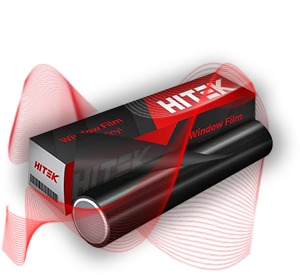
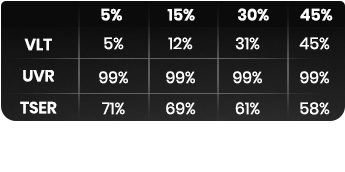
Its carbon-infused construction delivers improved glare reduction, enhanced UV protection, and moderate heat rejection, all while maintaining a rich, neutral tone. C2 is a favorite among installers for its clean shrink, consistent finish, and unbeatable value in the mid-tier category.
AUTOMOTIVE WINDOW TINTING
IN TIOGA, TX AND THE SURROUNDING AREA
CERAMIC ULTRA
Maximum protection
COMMING SOON
Book Your Auto Tinting Appointment in Tioga
North Texas UV intensity, agricultural road debris, and sustained summer heat put real, daily pressure on every unprotected vehicle in Cooke County and the surrounding region.Without the right film applied correctly, the heat rejection, privacy, UV protection, and signal-safe performance that professional window tinting delivers are never fully realized.At Texas Tint My Windows, we provide professional automotive window tinting built specifically for North Texas driving conditions. We offer:
- HITEK Films Carbon IR and Geoshield C2 Carbon installation across five VLT shade options, with signal-safe, metal-free construction and confirmed heat rejection performance for every vehicle type from daily drivers to commercial trucks.
- Same-day availability at the Tioga location with Texas legal compliance confirmed on every installation and shade selection verified for each window position before any film is applied.
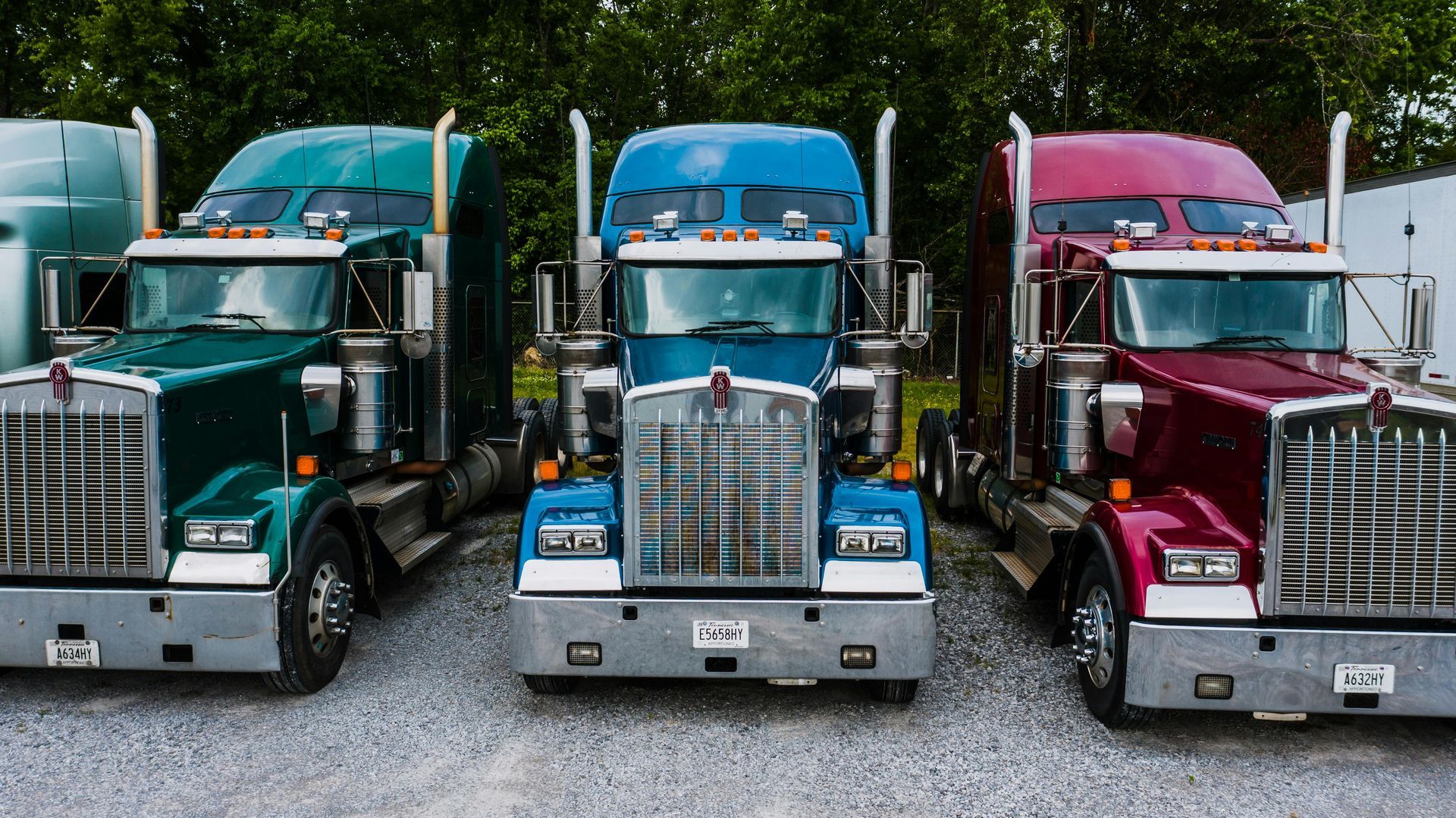
- DOT commercial truck tinting capability in full 49 CFR §393.60 compliance, extending professional automotive film installation to fleet vehicles, owner-operator rigs, and motor homes across the North Texas corridor.
The Installation Process and Timeline
A standard passenger vehicle tinting appointment typically takes between one and four hours depending on the number of windows being tinted and the film type selected. Larger vehicles or complex window configurations may require additional time.After installation, windows must remain closed for three to five days to allow the film adhesive to fully cure. Texas summer heat typically accelerates the curing process, but the minimum care period applies regardless of season. Rolling windows down during the curing period can cause edge lifting or adhesive separation, particularly in the first 48 hours after installation.Same-day appointments are available at the Tioga location subject to scheduling. Call *phone number* before arriving to confirm same-day availability for your specific vehicle type and film selection.
Serving Tioga and North Texas Communities
Texas Tint My Windows serves Tioga and surrounding North Texas communities including Gainesville, Sherman, Whitesboro, Muenster, Lindsay, Valley View, Sanger, and other Cooke County and adjacent rural areas.Customers from across the North Texas corridor choose our Tioga location for professional installation, proven film products, and expertise with local driving conditions.
5%
20%
35%
50%
70%
FEATURING
FAQs
Explore our selection of regular, ceramic, and nano-ceramic films, each providing distinct benefits and features to empower you in making the best choice for your vehicle.
How long does each type of tint last?
Regular tint can last 20+ years, ceramic tint can last 10-15 years, and nano-ceramic tint offers longevity of 15+ years, depending on maintenance and environmental conditions.
Is professional installation necessary for optimal results?
While DIY options exist, professional installation ensures proper application and alignment, reducing the risk of bubbles, peeling, or distortion.
Will window tint affect my visibility while driving?
High-quality tints are designed to maintain visibility while reducing glare and heat. However, darker tints may affect visibility in low-light conditions.
What maintenance is required for each type of tint?
Regular cleaning with non-abrasive materials and avoiding harsh chemicals is essential. Ceramic and nano-ceramic tints may require less frequent maintenance due to their durability.