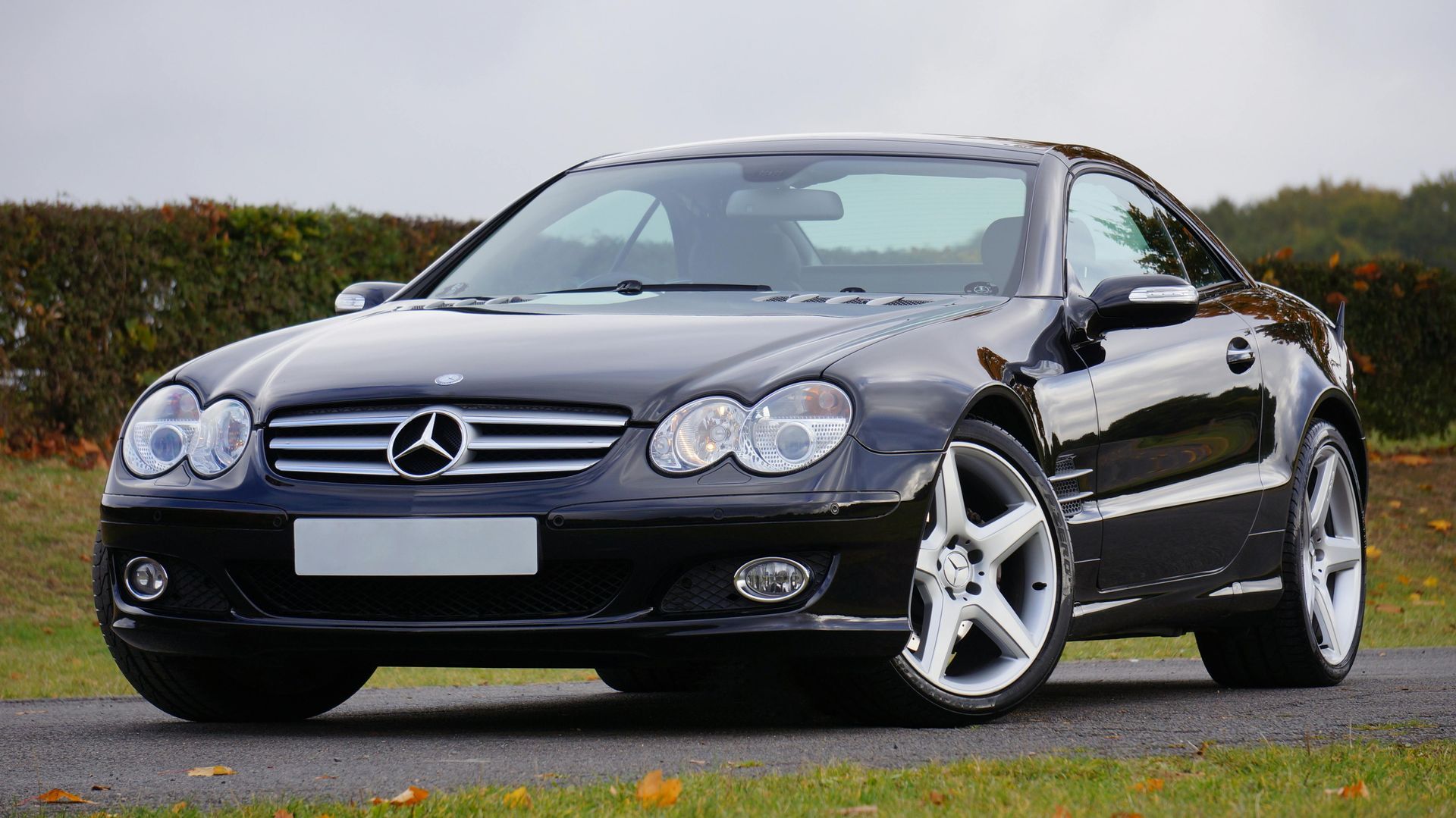
How Does Architectural Window Film Work in Tioga, TX? North Texas summers bring sustained UV intensity, high temperatures, and low humidity that accelerates deterioration in both vehicles and buildings across Cooke County. Architectural window film is a professionally applied solution that bonds to the interior surface of fixed building glass and intercepts solar energy before it raises interior temperatures, fades furnishings, and drives up cooling costs across homes and businesses throughout Tioga and the surrounding North Texas region. Defining Architectural Window Film Architectural window film is a thin, optically engineered layer applied to the interior surface of flat building glass. It functions as a selective filter across the solar spectrum, managing heat, ultraviolet radiation, and glare without requiring window replacement or any structural changes to the property. How Architectural Window Film Works Window film addresses solar energy at the glass surface before it enters the building interior. The solar spectrum carries infrared radiation, ultraviolet radiation, and visible light, each contributing differently to heat buildup, interior material damage, and occupant discomfort in Tioga homes and commercial spaces. Blocking Infrared Heat Infrared radiation is the primary driver of heat gain through building glass. High-performance architectural films intercept infrared wavelengths at the glass surface, reducing interior thermal load without requiring a heavily tinted or darkened appearance. Filtering UV Radiation Ultraviolet radiation passes through standard untreated glass and causes cumulative damage to flooring, furniture, upholstery, merchandise, and artwork over time. Quality architectural film blocks the vast majority of UV radiation at the glass surface while preserving a clear, natural interior view. Core Benefits for North Texas Properties Cooke County’s combination of intense sun, dry heat, and wide seasonal temperature swings makes architectural window film a practical investment for both residential and commercial properties across Tioga and the surrounding North Texas corridor. Heat rejection intercepts solar infrared energy at the glass surface, reducing interior temperatures and lowering the demand placed on cooling systems during North Texas’s long, intense summer season. UV protection shields interior furnishings, flooring, artwork, and merchandise from the fading and material breakdown caused by sustained ultraviolet exposure through untreated building glass. Glare reduction softens the intense afternoon light entering through south- and west-facing glass, improving comfort and productivity in homes, offices, and storefronts throughout the Tioga area. Architectural Film vs. Automotive Tint Architectural and automotive window films serve related purposes but are engineered as distinct products for different glass types. Architectural film is designed for large, flat building glass panels with different adhesive chemistry, thermal properties, and installation requirements than the curved glass used in vehicles. The installation process requires tools and methods specific to building glass, and the film specifications are calibrated for the structural and thermal dynamics of fixed residential and commercial surfaces. Choosing the Right Film Type for Your Tioga Property Film material and construction determine how well a product holds up under North Texas’s sustained UV intensity and dry summer heat. In a general sense, depending on the manufacturer, lower-grade dyed films can fade, discolor, or experience adhesive failure under the conditions Cooke County buildings face throughout the year. High-performance nano-ceramic films represent the current standard for architectural applications, using non-metallic construction to deliver strong infrared rejection and UV protection without interfering with WiFi, smart home systems, or wireless devices. Films such as those made by HITEK Films are engineered specifically for demanding Texas climates and carry manufacturer warranty coverage reflecting their long-term performance under sustained solar exposure. FAQs About Architectural Window Film in Tioga, TX How does architectural window film perform in North Texas heat? Cooke County’s dry summer heat and sustained UV exposure create demanding conditions for building glass that lower-grade films can struggle to maintain adhesion and performance through over time depending on the manufacturer. High-performance ceramic architectural films, such as those made by HITEK Films, are engineered to hold their solar control properties and adhesive stability through years of North Texas thermal cycling. How is architectural film different from automotive window tint? Architectural film is engineered specifically for large, flat building glass with different adhesive systems, surface dimensions, and thermal dynamics than automotive glass. The installation methods and product specifications differ from vehicle tinting even when the same brand is used across both applications. How long does architectural window film last in the North Texas climate? Premium architectural window film installed by a professional is built to perform for many years without peeling, bubbling, or color shift. In a general sense, depending on the manufacturer, lower-grade dyed films can degrade significantly faster under the sustained UV intensity that North Texas properties face year-round. High-performance films, such as those made by HITEK Films, are engineered for long-term durability in demanding climates and carry manufacturer warranty coverage reflecting that performance standard. Does window film reduce energy costs for Tioga homes and businesses? Window film reduces solar heat gain through building glass, lowering the thermal load that cooling systems must manage during Cooke County’s extended hot season. For properties with significant south- or west-facing glass, controlling heat entry at the glass level can contribute meaningfully to lower energy consumption over time.
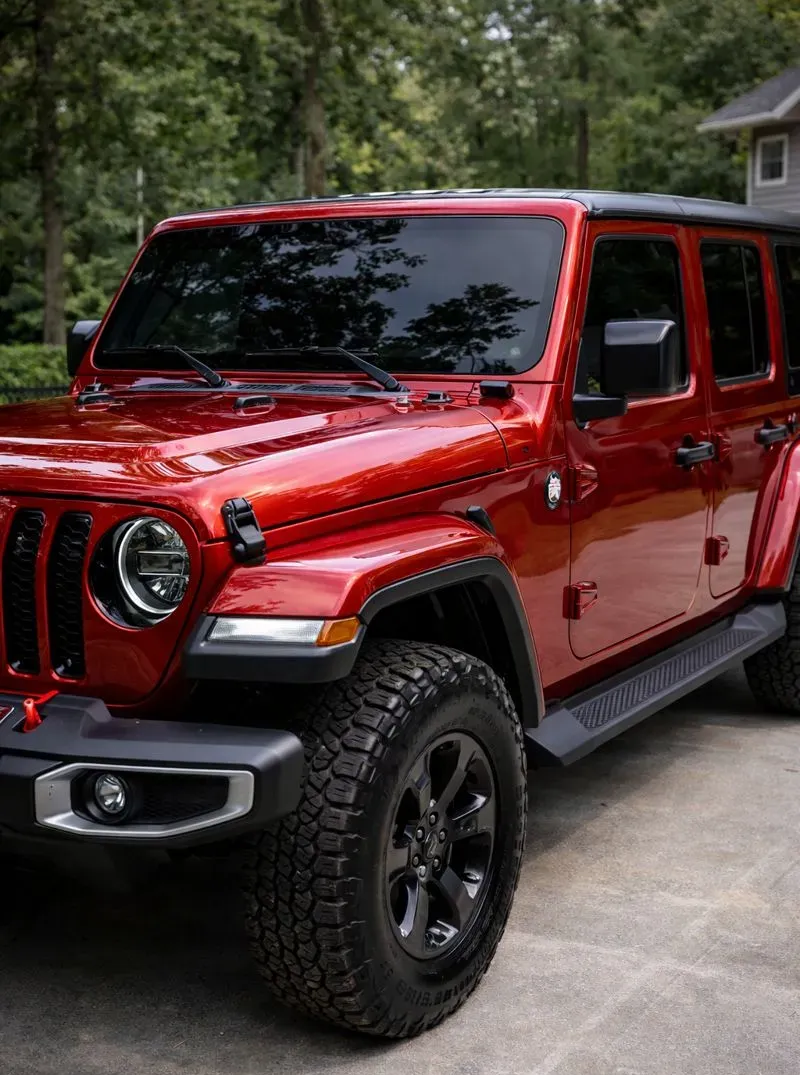
2026 SUV Window Tint Guide for Tioga TX Drivers If you drive an SUV around Tioga and want the best window tint for SUVs in Tioga TX this year, you face intense North Texas sun that turns cabins into ovens fast. Larger glass surfaces on SUVs trap more heat and glare than sedans, raising AC use and fading interiors quicker. This guide breaks down practical options, types, and real world factors so you can decide with clear facts. Why SUVs Need Quality Window Tint in North Texas North Texas summers push temperatures high near Tioga, with strong UV and constant glare on open roads. SUVs sit higher and expose more glass to direct sun, so interiors heat up faster than in smaller vehicles. Quality tint cuts that heat gain and protects what is inside without changing how the SUV looks from the outside. Heat, UV, and Glare Challenges for Tioga Drivers Sun exposure in Grayson County hits harder on family SUVs used for daily commutes or weekend trips. Glare from bright skies reduces visibility during afternoon drives. Untinted glass lets in excess heat that works the AC harder and shortens the life of dashboards and seats. Extra Considerations for Larger SUV Glass Larger rear and side windows on SUVs create bigger heat pockets that standard car tint advice overlooks. Privacy matters more when carrying kids or gear on North Texas highways. Proper tint lowers AC load and improves overall comfort during long drives. Factory glass alone cannot handle the UV intensity common in this region year round. Window Tint Types Explained for SUVs SUV owners need films that perform on bigger surfaces and hold up in Texas conditions. Each type differs in how it handles heat, color, and longevity. Choose based on what matters most for daily driving in Tioga. Dyed Tint Dyed tint provides basic darkening at a lower entry point. In the general sense, it can fade over time depending on the manufacturer and exposure levels. A better option comes from advanced films, such as those made by HITEK Films, that resist fading while delivering consistent performance. Carbon Tint Carbon tint adds strength and blocks some heat without metallic shine. It keeps a neutral look that suits most SUV styles. Drivers notice less glare and a smoother ride feel on sunny North Texas roads. Ceramic and Nano-Ceramic Tint (2026 Standout) Ceramic and nano-ceramic films stand out in 2026 for SUVs because they reject heat effectively while staying clear. HITEK Films offers premium versions that maintain signal strength for GPS and phones inside modern SUVs. They deliver superior comfort on larger glass areas without the drawbacks of older films. Best Window Tint Recommendations for Tioga SUVs Ceramic options lead for North Texas SUVs because they balance heat control and visibility. Focus on films built for high UV areas like Tioga. HITEK Films provides reliable choices that installers trust for precision results on SUVs. Top Ceramic Options for Heat Rejection Nano-ceramic films from 2026 lines give excellent infrared control suited to SUV size. They keep cabins noticeably cooler during peak summer hours. Pair them with proper installation to maximize benefits on rear windows and liftgates. Performance Comparison for Your SUV Heat rejection stays high with ceramic without darkening the view too much. UV protection remains steady over years of North Texas sun. Clarity supports safe driving and modern vehicle tech. Durability fits the demands of family SUVs used daily. How to Choose the Right Tint for Your SUV Match the film to your driving habits and the specific SUV model. Consider how much time you spend on highways around Tioga. Premium choices pay off in comfort and longevity for larger vehicles. Budget versus Premium Trade-Offs Budget films handle basic needs but may require earlier replacement in hot climates. Premium ceramic from partners like HITEK Films offers longer performance with less maintenance. Weigh daily comfort gains against initial differences to find the right fit. Matching Tint to Your Driving Needs Family SUVs benefit from stronger heat control on rear glass. Daily commuters gain from reduced glare on front sides. Test samples on your vehicle to see the difference in real North Texas light. FAQs What is the best window tint for SUVs in Texas heat? Ceramic and nano-ceramic films from lines such as HITEK Films deliver strong heat rejection while keeping the cabin comfortable on larger SUV glass. Is ceramic tint a good choice for SUVs in Tioga? Yes, it performs well in North Texas conditions and maintains clear visibility plus modern vehicle features. Does window tint affect GPS or cell signal in modern SUVs? Quality ceramic films from HITEK Films preserve signal strength without interference. How long does quality SUV tint last in North Texas? Premium films hold up for years when installed correctly and cared for properly in local sun exposure. What are the basic Texas window tint laws for SUVs? Front side windows must allow at least 25 percent visible light transmission. Rear windows can be darker if the SUV has dual outside mirrors. 📞 Call *phone number* and get professional advice on the best window tint for your SUV.
Best Windshield Tint Options for Tioga, TX Drivers Understanding Windshield Tint Options Selecting the best window tint for windshields in Tioga, TX requires balancing Texas legal limits with performance needs. Local drivers face intense North Texas sun, demanding films that reject heat without violating VLT rules. This guide covers top choices for compliance and comfort. Tioga’s hot climate amplifies UV exposure and cabin heat. Effective windshield tint focuses on the legal sun strip area. High-quality films deliver protection while keeping visibility clear. Top Windshield Tint Types Ceramic vs. Clear vs. Dyed Ceramic tints excel in infrared rejection and clarity. They block heat effectively without darkening the view, ideal for the permitted strip. Clear variants prioritize UV protection over shading. Dyed films can fade over time in general, depending on the manufacturer. Ceramic options hold up better under UV stress. Brands such as those made by HITEK Films offer stable performance. Ceramic films reject up to intense infrared rays, reducing AC use on long drives. Clear tints maintain full transparency, suiting strict compliance needs. Dyed types add minor shading but risk color shift; ceramic avoids this drawback. Heat Rejection Performance Top ceramic windshield tints block significant solar energy. They keep interiors cooler during Tioga summers without reducing light transmission. This performance stems from nano-particle technology. Clear ceramic films shine here, passing nearly all light while stopping heat. Drivers notice less glare on rural roads. Long-term durability beats basic options. Ideal Choices for Tioga Drivers Legal Sun Strips Texas restricts windshield tint to a 5-inch top strip or above the AS-1 line at 25% VLT maximum. Sun strips using ceramic film maximize legal protection. They cut glare without full coverage risks. Tioga County enforcement checks this closely during stops. Choose films certified for reflectivity limits. Proper application ensures no peeling. Strips reduce eye strain on Highway 380 drives. This boosts safety in bright conditions. High-rejection ceramics stay clear year-round. They outlast cheaper alternatives. Compliance avoids tickets; always verify AS-1 placement. Local heat demands premium layers for lasting results. Climate Considerations North Texas summers push heat indexes high in Tioga. Windshield films must handle prolonged UV without degrading. Ceramic types resist bubbling or hazing common in lesser products. Rural roads mean more sun exposure than Dallas traffic. Opt for films with strong total solar energy rejection. This keeps dashboards from cracking prematurely. Pros, Cons, and Installation Tips Common Mistakes to Avoid Over-tinting beyond the strip invites fines and inspection fails. Measure the AS-1 line precisely before application. Poor edge sealing leads to bubbling. Skipping professional tools risks air pockets. Heat guns ensure smooth adhesion. Test VLT post-install for compliance. Ignoring reflectivity rules causes meter fails. Stick to non-reflective ceramics. Rushing curing time warps film. Allow 48 hours before driving. Using untested films fades color fast. Premium ceramics like HITEK maintain clarity. Neglecting cleaning pre-install traps dirt. This shortens lifespan. Pros of ceramic windshield tint include superior heat block and UV defense. Glasses stay cooler, and interiors last longer. Cons involve higher initial investment, though longevity offsets it. Local Tioga Resources Tioga drivers benefit from shops versed in Collin County rules. Lifetime warranties on premium films ensure reliability. HITEK Films partners provide options tailored to local needs. Access resources for VLT meters and certification. Stay updated on Texas tint changes. Informed choices enhance safety and comfort. FAQs What’s the legal VLT for windshield tint in Tioga, TX? Texas allows 25% VLT maximum on the top 5 inches or above the AS-1 line. Can you tint the full windshield in Texas? No, only the designated strip is permitted. Full tint risks fines and fails inspections. Is ceramic tint best for windshields? Yes, it rejects heat and UV without darkening, fitting legal limits perfectly. What happens with illegal tint in Tioga? Expect fix-it tickets starting around standard fines. Repeat offenses escalate penalties. How long does quality windshield tint last? Premium ceramics endure 5-10 years under Texas sun, depending on care. 📞 Call *phone number* and get a professional opinion on your tint needs today.
Window Tint Lifespan in Tioga, TX: Your Complete Guide How Long Window Tint Lasts in Tioga, TX Window tint in Tioga, TX faces intense heat and UV exposure that can shorten its lifespan. Many drivers ask how long window tint lasts in this area, especially during North Texas summers. This guide breaks down realistic averages, key factors, and maintenance tips to help you understand what to expect from your tint. Average Window Tint Lifespan Most window tint lasts between 3 and 12 years depending on the type of film and environmental conditions. Dyed films typically last 3 to 5 years. They absorb heat, which can lead to fading over time. Metallic and carbon films usually last 5 to 7 years. They offer better UV resistance and improved durability. Ceramic tints last 7 to 12 years. They reject heat effectively without relying on metal, which helps maintain clarity and performance. Premium ceramic films stand out for longevity. They block infrared heat efficiently and maintain their appearance longer in hot climates. Factors Affecting Tint Durability in Tioga Local Climate Impact Tioga summers regularly reach 90 to 100°F with high UV levels. This constant exposure breaks down lower-quality films faster, often causing fading, discoloration, or bubbling. Heat stress also affects the adhesive layer. As temperatures rise and fall, the adhesive expands and contracts, which can lead to premature failure. Rain and humidity can create additional issues. Moisture trapped during poor installation may cause peeling or bubbling later. High-quality films with strong adhesives are better suited for these conditions. Tint Types Compared Different tint types respond differently to Tioga’s climate: Dyed tint absorbs light and is more prone to fading over time. Metallic tint reflects heat well but may interfere with signals. Carbon tint offers a balance of durability and performance without signal issues. Ceramic tint provides the best heat rejection and longevity, maintaining clarity even under intense sun exposure. Signs Your Tint Needs Replacement Recognizing early warning signs helps you avoid visibility and safety issues: Fading color: UV damage can turn tint purple or pink, reducing effectiveness. Bubbles forming: Heat and moisture cause the film to lift, signalling adhesive failure. Peeling corners: Edges begin to separate due to age or improper installation. Hazy appearance: Scratches or oxidation reduce clarity and make driving more difficult. Maintenance Tips to Extend Lifespan Proper care can significantly extend the life of your window tint: Use pH-neutral or ammonia-free cleaners to prevent chemical damage. Clean with a soft microfiber cloth to avoid scratching the film. Park in shaded areas or garages to reduce heat and UV exposure. Avoid automatic car washes with harsh brushes that can damage tint. Inspect window edges regularly to catch early signs of wear. Consistent maintenance can add years to your tint’s lifespan, even in Tioga’s harsh climate. Ceramic Tint for North Texas Longevity Ceramic tint is the most durable option for North Texas drivers. It blocks heat effectively without using metal, which helps maintain signal clarity and consistent performance. These films can last up to 10 to 12 years with proper care. They also resist bubbling and fading better than other tint types, making them ideal for high-heat environments. Local Window Tinting in Tioga Area Drivers in Tioga benefit from working with installers familiar with local weather conditions. Proper installation plays a major role in how long tint lasts, especially in areas with high heat and humidity. A quality installation ensures strong adhesion and helps prevent early issues like peeling or bubbling. Frequently Asked Questions How long does cheap window tint last in Texas heat? Lower-quality dyed tint typically lasts 1 to 3 years in Texas heat. Strong UV exposure accelerates fading and reduces overall durability. Does ceramic tint last longer in Tioga? Yes. Ceramic tint can last between 7 and 12 years because it handles heat and UV exposure more effectively than other film types. What shortens tint life in North Texas? High UV exposure, poor installation, and ammonia-based cleaners are the most common causes of premature tint failure. Are Texas tint laws strict in Tioga? Texas law regulates visible light transmission levels. Front side windows must meet specific limits, while rear windows have more flexibility. Always confirm compliance to avoid penalties. Is window tint warranty common? Many high-quality films include warranties, especially ceramic options. However, improper care or cleaning methods can void coverage.

Does Window Tint Affect Night Visibility in Tioga, TX? Window tint can change how well you see the road after dark in Tioga, TX. Many drivers here travel unlit farm-to-market roads where headlights and distant taillights provide the only illumination. Understanding the real impact helps you choose options that keep your night drives safe without sacrificing comfort. What Window Tint Is and How VLT Determines Light Transmission Window tint is a thin film applied to glass surfaces. It reduces glare, blocks heat, and adds privacy. VLT stands for visible light transmission and describes how much light passes through the film. Higher VLT keeps the view brighter while lower VLT creates a darker appearance. This measurement directly influences night driving because your eyes rely on available light to detect hazards on North Texas roads. Does Window Tint Reduce Visibility at Night? Window tint reduces visibility at night when the film blocks too much light or creates optical distortion. The effect depends on darkness level and film quality. On rural routes around Tioga, even slight reductions can delay reaction times to deer or slow-moving vehicles. Impact of Tint Darkness Levels Lighter tints maintain strong light transmission so road markings and oncoming traffic stay clear even on the darkest stretches. Medium tints offer a practical balance of privacy and visibility yet may require minor adjustments like slower speeds on unlit curves. Darker tints heighten the risk of reduced sight distance which makes it harder to spot obstacles until they are closer than ideal. How Tint Type Affects Night Driving Traditional dyed films can fade over time in the general sense since results depend on the manufacturer. Better options deliver stable performance and sharper clarity at night, such as those made by HITEK Films. Ceramic films from HITEK Films reject heat effectively while preserving excellent optical quality so drivers notice less eye strain during long evening commutes. Texas Window Tint Laws and Night Safety for Tioga Drivers Texas sets standards for window tint to support safe driving after dark. Front windows must meet minimum light transmission rules while rear windows allow more flexibility. These requirements help ensure drivers in areas like Tioga can see clearly and remain visible to others. Best Window Tint Choices for Night Visibility in North Texas Quality ceramic films stand out for North Texas night driving because they combine heat control with minimal distortion. HITEK Films offers advanced ceramic lines engineered for clarity and durability. These choices help local drivers balance comfort and safety on roads with limited lighting. Practical Tips for Safe Night Driving with Tinted Windows Choose a film that meets your typical driving schedule so visibility stays reliable after sunset. Keep headlights clean and consider brighter bulbs if your vehicle allows it to compensate for any light reduction. Drive at adjusted speeds on rural North Texas routes until you adapt to the tinted view. Test the setup during twilight hours before relying on it for full night travel. Why Professional Installation Matters for Clear Night Vision Poor installation introduces haze, bubbles, or uneven edges that scatter light and worsen night visibility. Professional work ensures the film adheres smoothly and performs as intended. Skilled application prevents common distortions that could otherwise compromise safety on Tioga roads. Window tint affects night visibility in Tioga, TX when darkness levels or installation quality fall short. Quality ceramic films paired with proper application let drivers enjoy the benefits of tint while keeping roads clear and reactions quick. Local conditions demand careful choices that prioritize safety over extreme darkness. FAQs Does window tint affect visibility at night in Tioga, TX? Yes, especially on unlit rural roads. Proper film selection and installation keep visibility strong. What VLT percentage is safest for night driving in Texas? Lighter options that allow ample light transmission support safer night driving around Tioga. Is ceramic tint better for night visibility than traditional films? Ceramic tint maintains clearer optics and resists fading, making it a stronger choice for night use. Are there Texas laws on window tint for front windows? Yes, Texas requires front windows to meet minimum light transmission standards for safety. Can I still drive safely on rural North Texas roads with tint? Yes, when you select appropriate darkness and rely on professional installation for clear results.
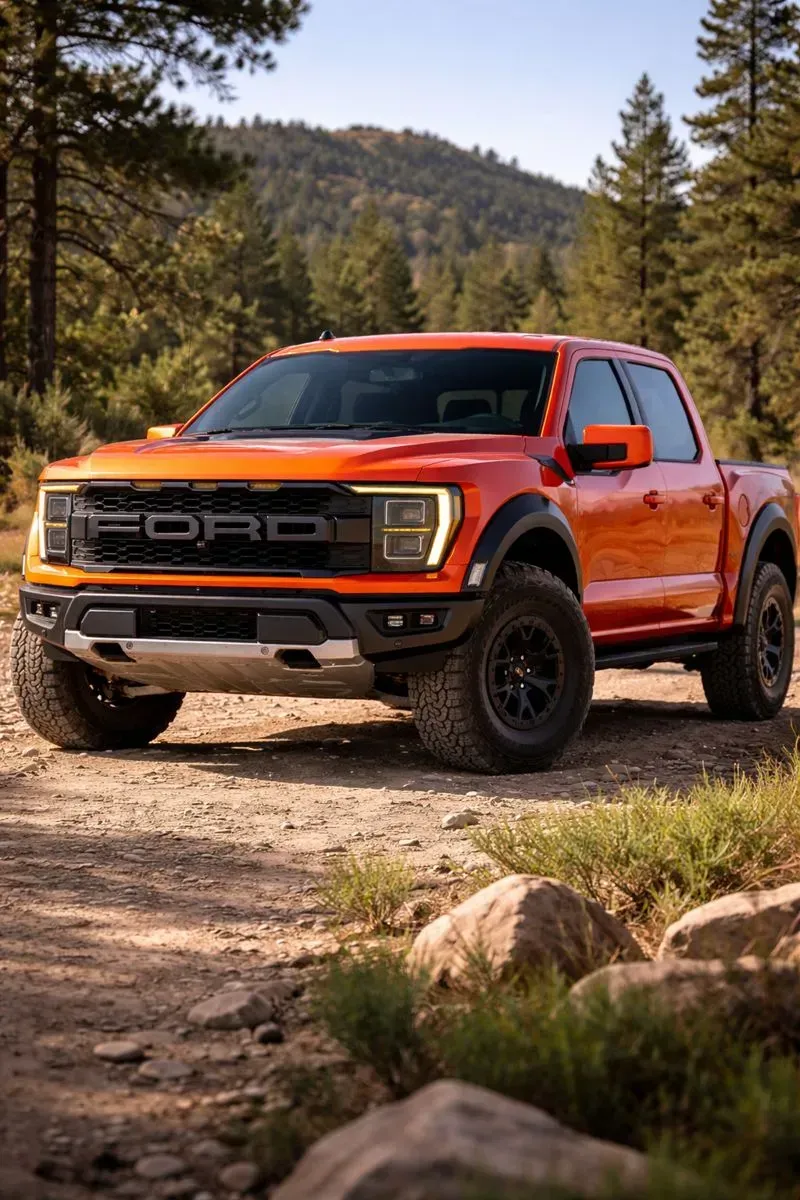
What Is Ceramic Window Tint? Ceramic window tint is a high-performance film designed for vehicles and buildings. It contains tiny ceramic particles that manage solar energy without interfering with signals or visibility. Nano-Ceramic Particles vs. Traditional Films Nano ceramic particles create a stable barrier against heat. Traditional films rely on dyes or metals that break down faster in intense Texas sun. Ceramic versions maintain consistent performance longer. How Does Ceramic Tint Block Heat? The Science Explained Ceramic tint targets the sun’s invisible energy that ordinary glass lets through. The film absorbs and reflects specific wavelengths before they enter the cabin or room. Infrared Radiation (IR) Rejection Infrared radiation carries most of the sun’s heating power. Ceramic tint stops a large portion of this IR from passing through the glass, keeping surfaces cooler. Total Solar Energy Rejection (TSER) and UV Protection TSER measures overall solar heat blocked by the film. Ceramic tint also rejects nearly all ultraviolet rays, protecting interiors from fading and damage. How Much Heat Does Ceramic Tint Actually Block? Ceramic tint delivers noticeable temperature reduction in real world use. Drivers and homeowners in Tioga report lower interior heat on hot days compared to untreated windows. Real-World Performance Numbers Performance depends on film quality and proper installation. In North Texas summers, quality ceramic tint keeps vehicles and homes more comfortable without heavy reliance on air conditioning. Ceramic Tint vs. Regular Tint: Heat Blocking Comparison Regular tint options vary widely in their ability to manage heat. Dyed films absorb some heat but can fade over time in general use, depending on the manufacturer. Metallic films reflect heat well yet sometimes interfere with electronics. Carbon films offer good rejection but may not match the clarity of ceramic. A stronger choice comes from advanced ceramic technology, such as those made by HITEK Films, which combine heat control with signal-friendly performance. Benefits of Ceramic Tint for Tioga Drivers and Homeowners Ceramic tint lowers heat buildup inside cars and homes during peak summer months in Grayson County. It maintains clear outward visibility while cutting glare on local roads. The film helps preserve upholstery and furnishings from sun damage common in North Texas. Energy costs can stay lower because less heat enters living spaces or vehicle cabins. Common Myths About Ceramic Tint and Heat Myth one claims all tints block heat equally, yet film type makes a major difference in actual results. Myth two suggests darker tint always means better cooling, but ceramic films prove lighter shades can perform strongly. Myth three assumes ceramic tint blocks every ray of heat, while the truth involves balanced rejection tailored to local conditions. Myth four holds that heat blocking fades quickly, yet premium ceramic options resist breakdown longer in Texas weather. Factors That Affect Heat Blocking Performance in Tioga, TX Local climate, window type, and installation details all influence final results. South facing glass in Tioga receives more direct sun, so film choice matters. Vehicle color and interior materials also play a role in how much heat stays trapped. Installation Quality and Texas DOT Guidelines Professional installation ensures the film bonds evenly and performs as designed. Texas DOT rules focus on visible light transmission for safety, allowing ceramic tint to deliver maximum heat control while meeting legal standards. Is Ceramic Tint Worth It in North Texas? Ceramic tint offers clear advantages for anyone facing repeated high heat in Tioga. It provides reliable solar control without the drawbacks of older film types. For local drivers and homeowners, the combination of comfort and durability makes it a practical upgrade against North Texas summers. FAQs Does ceramic tint really reduce heat in Tioga, TX? Yes, ceramic tint reduces interior heat by blocking a significant portion of infrared radiation, which is the main source of heat from sunlight. Is ceramic tint better than regular tint for heat? Ceramic tint outperforms dyed, metallic, and carbon films in overall heat rejection while maintaining clarity and signal compatibility. How much heat can ceramic tint block? Ceramic tint blocks a high percentage of total solar energy, helping keep vehicles and homes noticeably cooler during North Texas summers. Does darker ceramic tint block more heat? Not necessarily. Even lighter ceramic films can block substantial heat due to their infrared rejection properties. Is ceramic tint worth it in Tioga, TX? For both drivers and homeowners dealing with consistent heat, ceramic tint offers long-term comfort, durability, and protection.