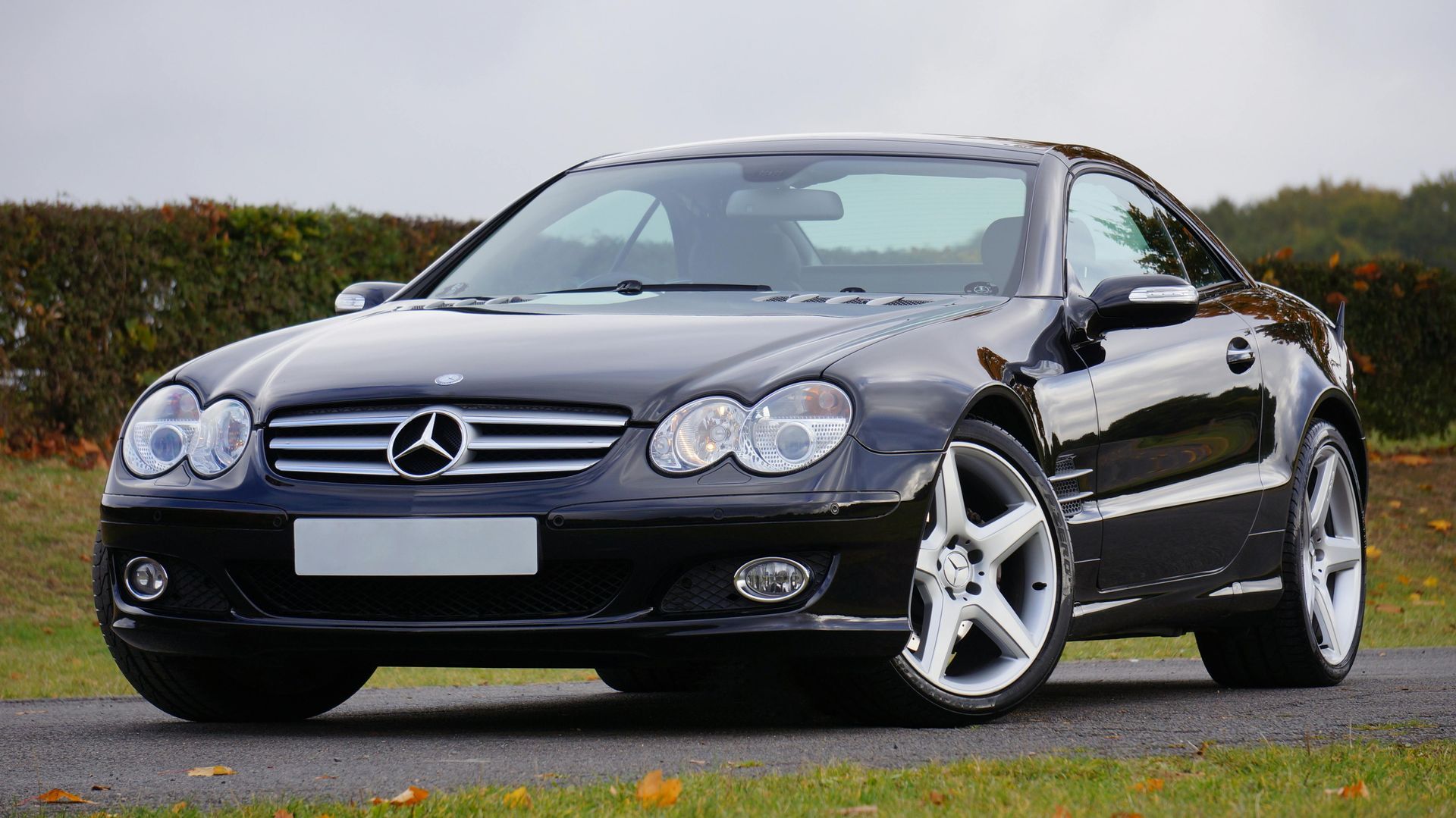
How Does Architectural Window Film Work in Tioga, TX? North Texas summers bring sustained UV intensity, high temperatures, and low humidity that accelerates deterioration in both vehicles and buildings across Cooke County. Architectural window film is a professionally applied solution that bonds to the interior surface of fixed building glass and intercepts solar energy before it raises interior temperatures, fades furnishings, and drives up cooling costs across homes and businesses throughout Tioga and the surrounding North Texas region. Defining Architectural Window Film Architectural window film is a thin, optically engineered layer applied to the interior surface of flat building glass. It functions as a selective filter across the solar spectrum, managing heat, ultraviolet radiation, and glare without requiring window replacement or any structural changes to the property. How Architectural Window Film Works Window film addresses solar energy at the glass surface before it enters the building interior. The solar spectrum carries infrared radiation, ultraviolet radiation, and visible light, each contributing differently to heat buildup, interior material damage, and occupant discomfort in Tioga homes and commercial spaces. Blocking Infrared Heat Infrared radiation is the primary driver of heat gain through building glass. High-performance architectural films intercept infrared wavelengths at the glass surface, reducing interior thermal load without requiring a heavily tinted or darkened appearance. Filtering UV Radiation Ultraviolet radiation passes through standard untreated glass and causes cumulative damage to flooring, furniture, upholstery, merchandise, and artwork over time. Quality architectural film blocks the vast majority of UV radiation at the glass surface while preserving a clear, natural interior view. Core Benefits for North Texas Properties Cooke County’s combination of intense sun, dry heat, and wide seasonal temperature swings makes architectural window film a practical investment for both residential and commercial properties across Tioga and the surrounding North Texas corridor. Heat rejection intercepts solar infrared energy at the glass surface, reducing interior temperatures and lowering the demand placed on cooling systems during North Texas’s long, intense summer season. UV protection shields interior furnishings, flooring, artwork, and merchandise from the fading and material breakdown caused by sustained ultraviolet exposure through untreated building glass. Glare reduction softens the intense afternoon light entering through south- and west-facing glass, improving comfort and productivity in homes, offices, and storefronts throughout the Tioga area. Architectural Film vs. Automotive Tint Architectural and automotive window films serve related purposes but are engineered as distinct products for different glass types. Architectural film is designed for large, flat building glass panels with different adhesive chemistry, thermal properties, and installation requirements than the curved glass used in vehicles. The installation process requires tools and methods specific to building glass, and the film specifications are calibrated for the structural and thermal dynamics of fixed residential and commercial surfaces. Choosing the Right Film Type for Your Tioga Property Film material and construction determine how well a product holds up under North Texas’s sustained UV intensity and dry summer heat. In a general sense, depending on the manufacturer, lower-grade dyed films can fade, discolor, or experience adhesive failure under the conditions Cooke County buildings face throughout the year. High-performance nano-ceramic films represent the current standard for architectural applications, using non-metallic construction to deliver strong infrared rejection and UV protection without interfering with WiFi, smart home systems, or wireless devices. Films such as those made by HITEK Films are engineered specifically for demanding Texas climates and carry manufacturer warranty coverage reflecting their long-term performance under sustained solar exposure. FAQs About Architectural Window Film in Tioga, TX How does architectural window film perform in North Texas heat? Cooke County’s dry summer heat and sustained UV exposure create demanding conditions for building glass that lower-grade films can struggle to maintain adhesion and performance through over time depending on the manufacturer. High-performance ceramic architectural films, such as those made by HITEK Films, are engineered to hold their solar control properties and adhesive stability through years of North Texas thermal cycling. How is architectural film different from automotive window tint? Architectural film is engineered specifically for large, flat building glass with different adhesive systems, surface dimensions, and thermal dynamics than automotive glass. The installation methods and product specifications differ from vehicle tinting even when the same brand is used across both applications. How long does architectural window film last in the North Texas climate? Premium architectural window film installed by a professional is built to perform for many years without peeling, bubbling, or color shift. In a general sense, depending on the manufacturer, lower-grade dyed films can degrade significantly faster under the sustained UV intensity that North Texas properties face year-round. High-performance films, such as those made by HITEK Films, are engineered for long-term durability in demanding climates and carry manufacturer warranty coverage reflecting that performance standard. Does window film reduce energy costs for Tioga homes and businesses? Window film reduces solar heat gain through building glass, lowering the thermal load that cooling systems must manage during Cooke County’s extended hot season. For properties with significant south- or west-facing glass, controlling heat entry at the glass level can contribute meaningfully to lower energy consumption over time.
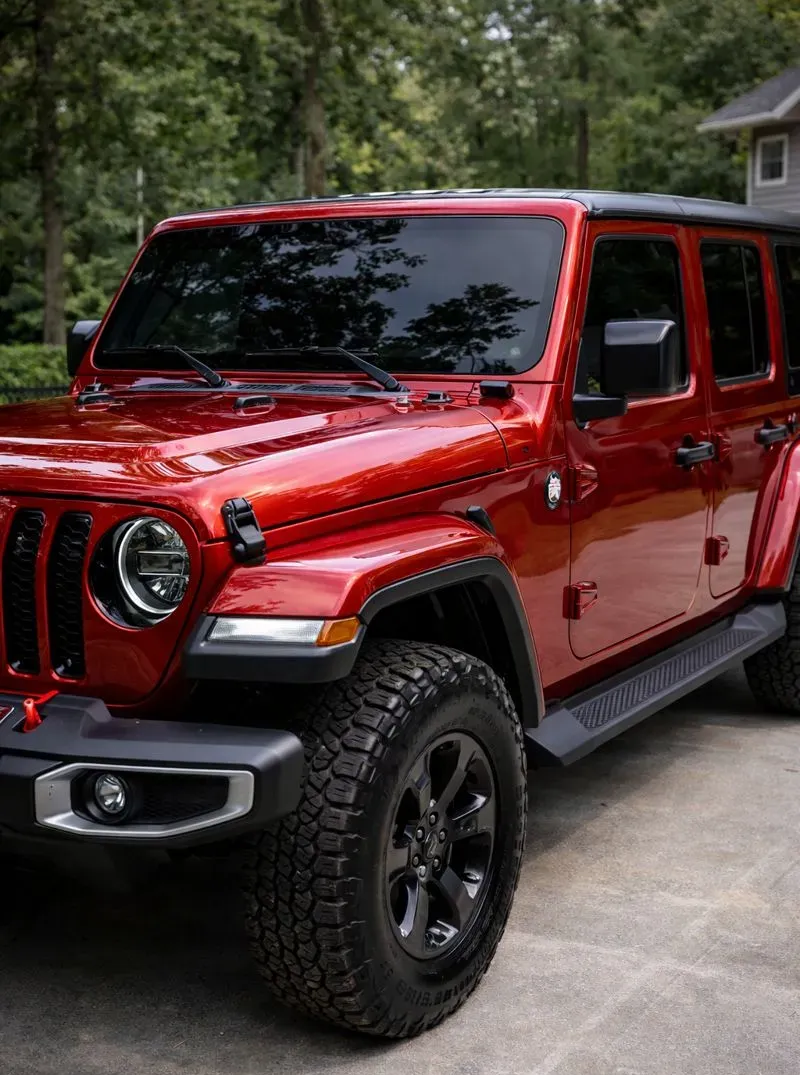
2026 SUV Window Tint Guide for Tioga TX Drivers If you drive an SUV around Tioga and want the best window tint for SUVs in Tioga TX this year, you face intense North Texas sun that turns cabins into ovens fast. Larger glass surfaces on SUVs trap more heat and glare than sedans, raising AC use and fading interiors quicker. This guide breaks down practical options, types, and real world factors so you can decide with clear facts. Why SUVs Need Quality Window Tint in North Texas North Texas summers push temperatures high near Tioga, with strong UV and constant glare on open roads. SUVs sit higher and expose more glass to direct sun, so interiors heat up faster than in smaller vehicles. Quality tint cuts that heat gain and protects what is inside without changing how the SUV looks from the outside. Heat, UV, and Glare Challenges for Tioga Drivers Sun exposure in Grayson County hits harder on family SUVs used for daily commutes or weekend trips. Glare from bright skies reduces visibility during afternoon drives. Untinted glass lets in excess heat that works the AC harder and shortens the life of dashboards and seats. Extra Considerations for Larger SUV Glass Larger rear and side windows on SUVs create bigger heat pockets that standard car tint advice overlooks. Privacy matters more when carrying kids or gear on North Texas highways. Proper tint lowers AC load and improves overall comfort during long drives. Factory glass alone cannot handle the UV intensity common in this region year round. Window Tint Types Explained for SUVs SUV owners need films that perform on bigger surfaces and hold up in Texas conditions. Each type differs in how it handles heat, color, and longevity. Choose based on what matters most for daily driving in Tioga. Dyed Tint Dyed tint provides basic darkening at a lower entry point. In the general sense, it can fade over time depending on the manufacturer and exposure levels. A better option comes from advanced films, such as those made by HITEK Films, that resist fading while delivering consistent performance. Carbon Tint Carbon tint adds strength and blocks some heat without metallic shine. It keeps a neutral look that suits most SUV styles. Drivers notice less glare and a smoother ride feel on sunny North Texas roads. Ceramic and Nano-Ceramic Tint (2026 Standout) Ceramic and nano-ceramic films stand out in 2026 for SUVs because they reject heat effectively while staying clear. HITEK Films offers premium versions that maintain signal strength for GPS and phones inside modern SUVs. They deliver superior comfort on larger glass areas without the drawbacks of older films. Best Window Tint Recommendations for Tioga SUVs Ceramic options lead for North Texas SUVs because they balance heat control and visibility. Focus on films built for high UV areas like Tioga. HITEK Films provides reliable choices that installers trust for precision results on SUVs. Top Ceramic Options for Heat Rejection Nano-ceramic films from 2026 lines give excellent infrared control suited to SUV size. They keep cabins noticeably cooler during peak summer hours. Pair them with proper installation to maximize benefits on rear windows and liftgates. Performance Comparison for Your SUV Heat rejection stays high with ceramic without darkening the view too much. UV protection remains steady over years of North Texas sun. Clarity supports safe driving and modern vehicle tech. Durability fits the demands of family SUVs used daily. How to Choose the Right Tint for Your SUV Match the film to your driving habits and the specific SUV model. Consider how much time you spend on highways around Tioga. Premium choices pay off in comfort and longevity for larger vehicles. Budget versus Premium Trade-Offs Budget films handle basic needs but may require earlier replacement in hot climates. Premium ceramic from partners like HITEK Films offers longer performance with less maintenance. Weigh daily comfort gains against initial differences to find the right fit. Matching Tint to Your Driving Needs Family SUVs benefit from stronger heat control on rear glass. Daily commuters gain from reduced glare on front sides. Test samples on your vehicle to see the difference in real North Texas light. FAQs What is the best window tint for SUVs in Texas heat? Ceramic and nano-ceramic films from lines such as HITEK Films deliver strong heat rejection while keeping the cabin comfortable on larger SUV glass. Is ceramic tint a good choice for SUVs in Tioga? Yes, it performs well in North Texas conditions and maintains clear visibility plus modern vehicle features. Does window tint affect GPS or cell signal in modern SUVs? Quality ceramic films from HITEK Films preserve signal strength without interference. How long does quality SUV tint last in North Texas? Premium films hold up for years when installed correctly and cared for properly in local sun exposure. What are the basic Texas window tint laws for SUVs? Front side windows must allow at least 25 percent visible light transmission. Rear windows can be darker if the SUV has dual outside mirrors. 📞 Call *phone number* and get professional advice on the best window tint for your SUV.